Book Marketing for Authors: How to Market and Promote Your Book in 2026
Writing the book is the hard part. Selling it is the long part. This is the complete, current playbook for getting your book in front of readers — metadata, Amazon, email, social media, and BookTok — plus the one shortcut most authors miss: your book is already a library of social content waiting to be published.
1M+
books published every year — standing out is the job
12–24mo
how long organic book marketing really takes
1 book
= dozens of social posts you already wrote
What book marketing actually is (and why it never really ends)
Book marketing is the ongoing work of connecting the right readers to your book — before, during, and long after launch. It is not a single launch-week event, and it rarely comes down to one viral moment. The authors who sell consistently treat marketing as a habit: a steady drumbeat of visibility, reviews, and reader relationships that compounds over months and years.
That long timeline is exactly why so many authors stall. Launch energy fades, the calendar empties, and the book quietly disappears. The goal of this guide is to give you a durable system — the foundations that do the heavy lifting (metadata, Amazon, email), the channels that build an audience (social and BookTok), and a way to stay consistent without burning out. We'll cover each, in roughly the order you should tackle them.
1. Know your reader and position your book
Every marketing decision gets easier once you know exactly who your book is for. Get specific: not "people who like fiction," but "readers who love slow-burn enemies-to-lovers romantasy," or "early-career managers who feel out of their depth." Your reader determines your comps (the comparable books you'll be shelved next to), your categories, your cover, your voice, and which platforms are worth your time.
Write a one-sentence positioning statement — "this book is for [reader] who wants [outcome/feeling]" — and use it as a filter for everything that follows. If a tactic doesn't help you reach that reader, skip it. Clarity here is what separates marketing that converts from noise.
2. Nail your metadata and book description
Your metadata — title, subtitle, categories, keywords, and book description — is the highest-leverage marketing you'll ever do, because it works on every reader who finds your book, forever. It's also the part authors most often rush. A strong, benefit-led subtitle (for nonfiction) or an evocative hook (for fiction) does more for discoverability than weeks of social posts.
Treat your book description like sales copy, not a synopsis. Open with a hook, build tension or stakes, and end with a clear reason to click "buy." For nonfiction, lead with the transformation the reader gets. For fiction, lead with the emotional promise of the story. Read your favorite comps' descriptions and notice the structure — then make yours tighter.
3. Market your book on Amazon
For most authors, Amazon is where the sale actually happens, so your Amazon presence is core marketing. Get the fundamentals right first: a professional cover, the compelling description above, the most specific and relevant categories you genuinely fit, and keyword phrases that match how readers actually search. Ranking high in a tight niche category beats vanishing in a broad one.
Once the foundation is solid, drive early sales velocity and reviews — Amazon's algorithm rewards books that sell and get rated. A modest, tightly-targeted Amazon Ads budget (starting around $5/day on specific keywords and comp titles) can keep your book visible between organic spikes. Amazon keyword and category research is deep enough to be its own discipline; if you want to go further, dedicated tools like Publisher Rocket are built for exactly that. The point for this guide: don't pour energy into social media while leaving your Amazon page half-optimized.
4. Build your email list and author platform
Your email list is the one audience you own — no algorithm decides who sees it. It is consistently the highest-ROI channel in book marketing, especially for launches, where a list of even a few hundred engaged readers can create the opening-day sales spike that triggers Amazon's algorithm.
Start now, even pre-launch. Offer a reason to subscribe — a free first chapter, a short prequel, a related checklist or resource for nonfiction — and capture emails on a simple author website or landing page. Then actually email your list: progress updates, the story behind the book, and an early heads-up on preorders. Your social following feeds your list; your list drives your sales.
5. Social media book marketing: reach readers where they scroll
Social media book marketing is how new readers discover you — but it only works if you're on the right platform for your genre and posting consistently. The mistake authors make is trying to be everywhere at once and burning out within a month. Pick one or two platforms where your readers already are, and commit to showing up.
Whatever platform you choose, the hard part is the same: staying consistent. Experts will tell you to post several times a week for a year or more — advice that's correct and exhausting in equal measure. That's the real bottleneck for authors, and it's the problem the next section solves.
6. Turn your book into a social media content library
Here's the shortcut almost no one tells authors: you already wrote your marketing content. A finished book is a deep, renewable library of social posts — every chapter holds a quotable line, a hook, an idea, or a moment that can become a carousel, a Reel, or a caption. The reason most authors run dry isn't a lack of material; it's the time it takes to find the lines and design the posts by hand in Canva.
That's exactly what WaveGen automates. Feed it an excerpt, your manuscript, or your ebook, and it reads your actual writing, pulls the strongest lines and ideas, and turns them into branded carousels, Reels, and captions — a backlog of teaser posts you can edit to your voice and schedule across Instagram, LinkedIn, TikTok, Facebook, and Pinterest. Instead of starting from a blank calendar every week, you start from the book you already finished.
Drop in your book
Paste an excerpt, upload your manuscript or ebook PDF, or point WaveGen at your book's landing page. It reads the actual text — your words, not generic filler.
Get a library of posts
WaveGen pulls the quotable lines, chapter hooks, and big ideas and turns them into branded carousels, Reels, and captions — a backlog of teaser posts in minutes.
Edit and schedule
Tweak the copy and design to your voice, then schedule across Instagram, LinkedIn, TikTok, Facebook, and Pinterest. Your calendar stays full without starting from scratch each week.
The post types your book already contains
Quotable lines
The sentences readers underline. Pulled straight from your text and set as clean quote cards — the single most shareable post type for authors.
Chapter hooks
Open a loop from a chapter — a question, a cliffhanger, a surprising claim — and tease it without spoiling. Designed to make people want the rest.
The big idea
The core argument or premise of the book, distilled into a carousel. Especially powerful for nonfiction, where the idea sells the book.
Behind the book
Why you wrote it, the research, the hard parts, the moment it clicked. Process content builds the parasocial trust that converts followers into readers.
Character & world teasers
For fiction: introduce a character, a setting, or a trope readers love. Carousels and Reels that feel like a trailer for the story.
Lessons & takeaways
For nonfiction: '5 things this book will change about how you…'. Listicle carousels that deliver value and prove the book is worth buying.
What a book becomes
Every carousel below was generated by WaveGen from book content — a quotable line, a chapter hook, a list of lessons, the big idea. Tap any one to flip through the full post.
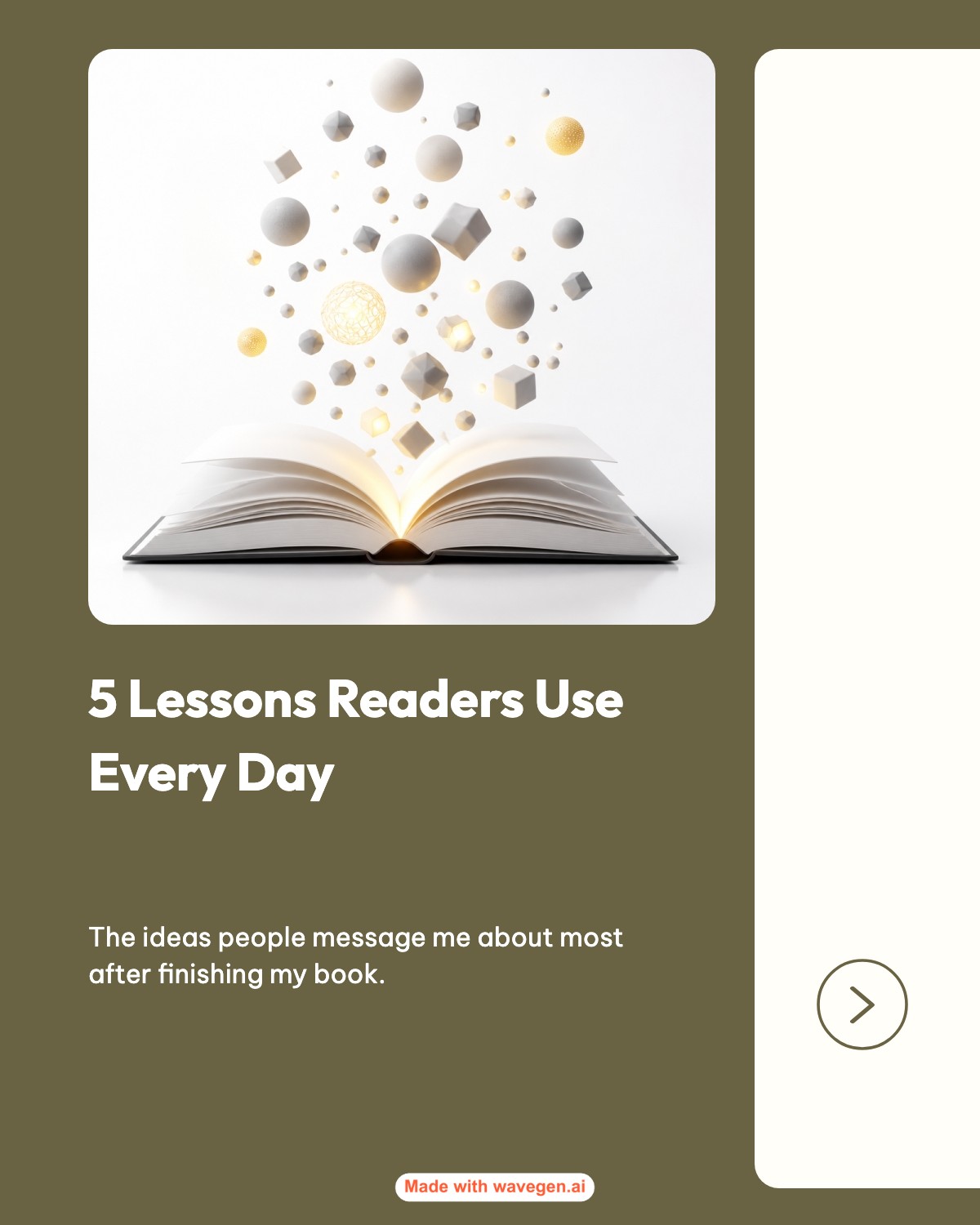
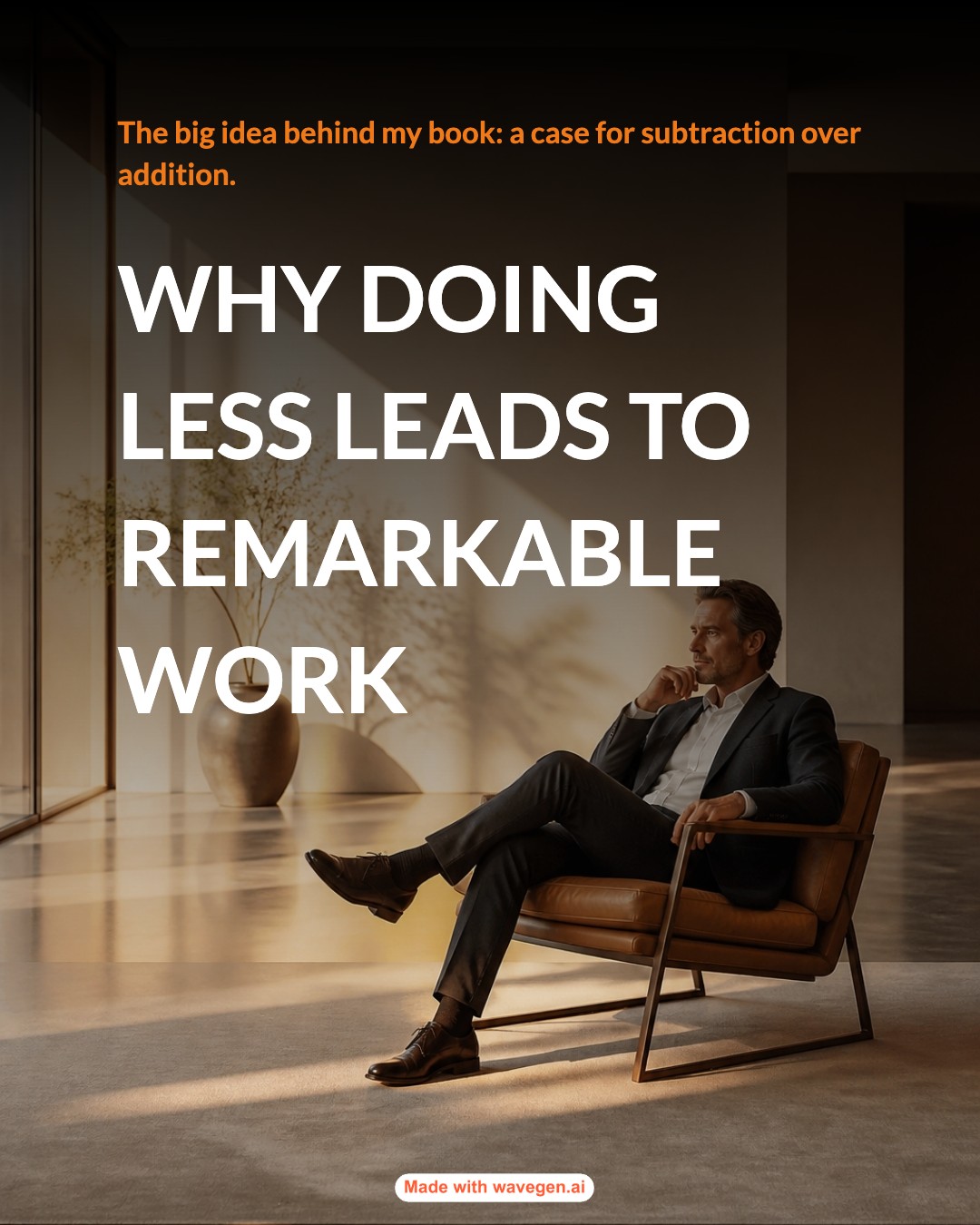
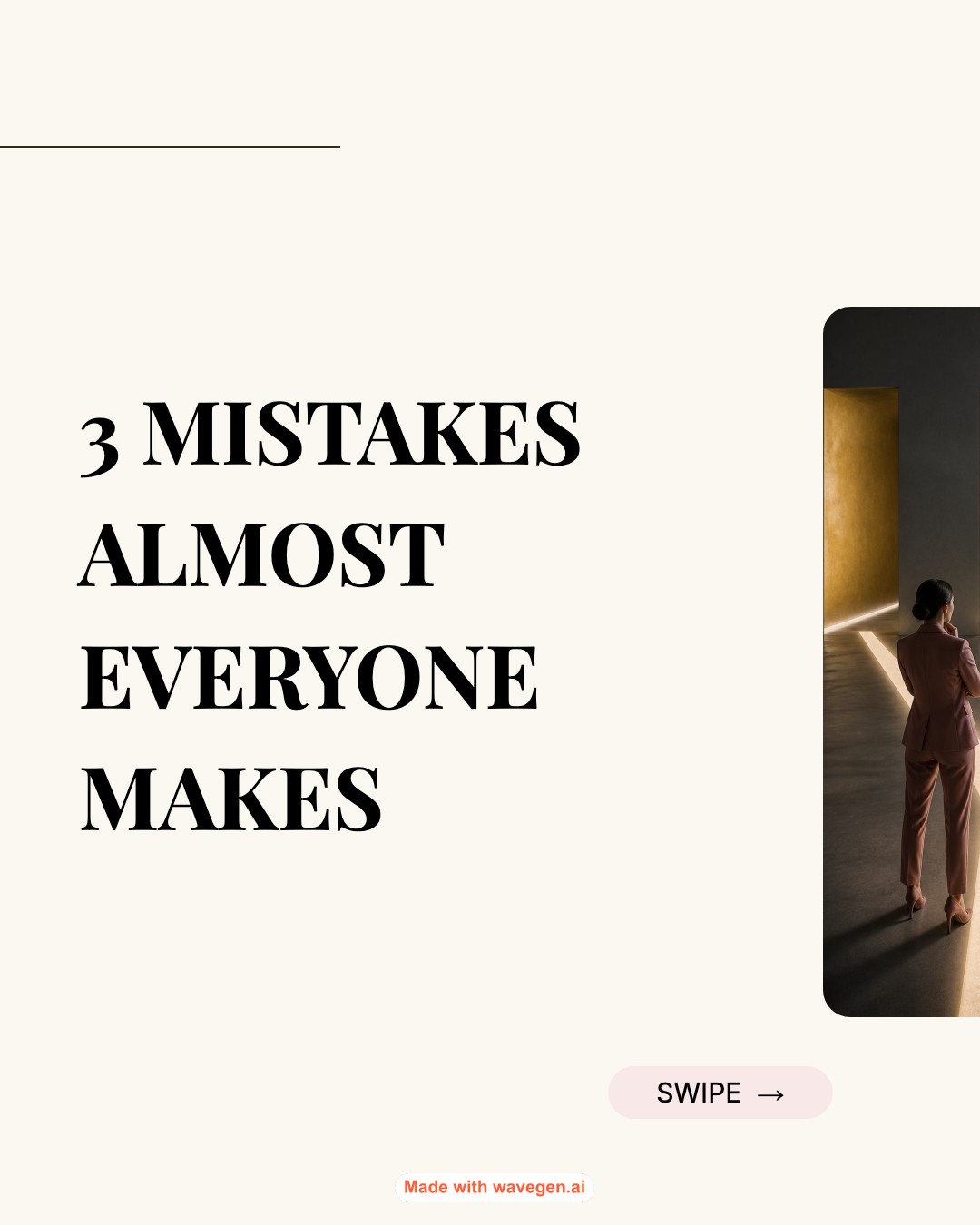
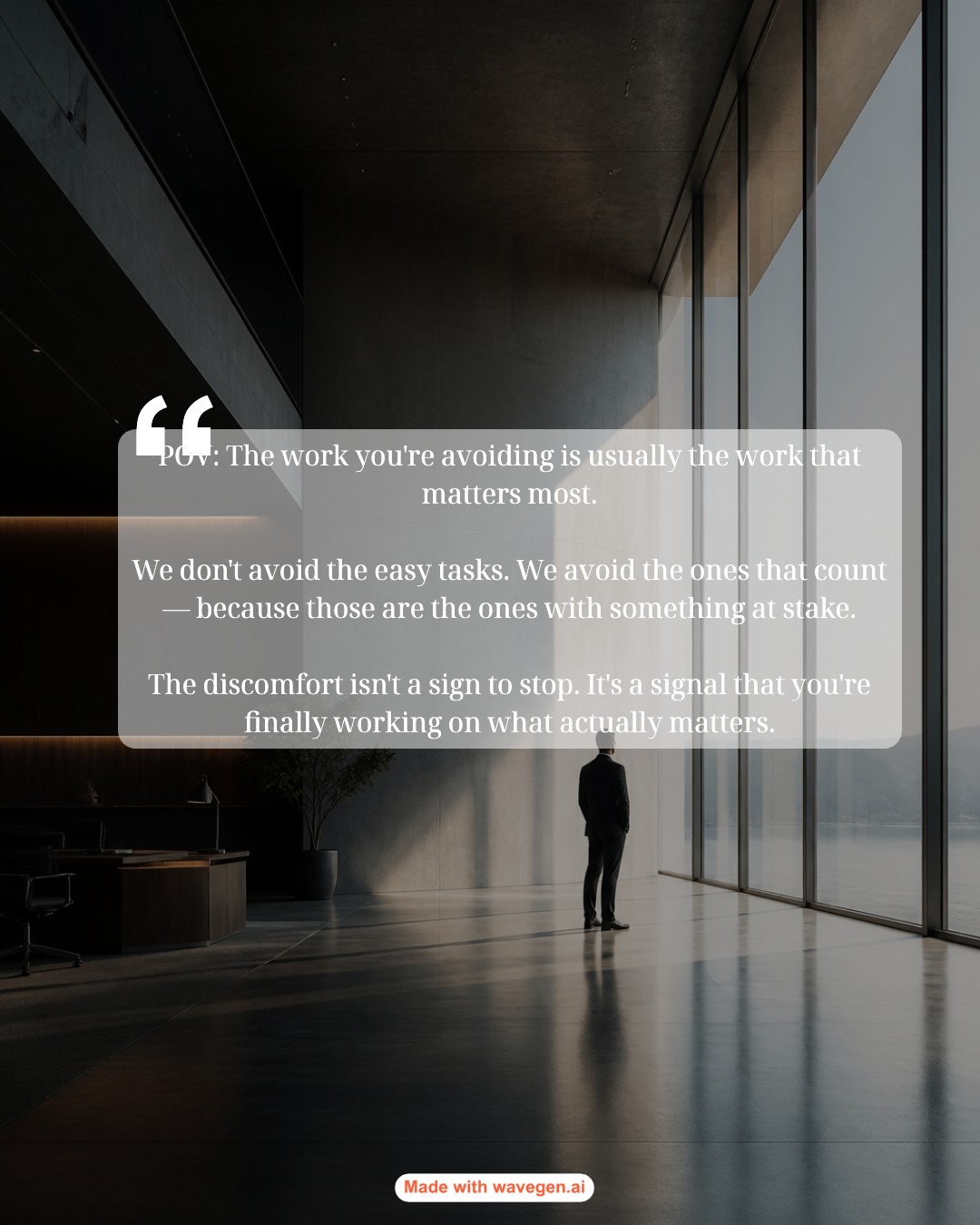
Made in minutes from a few lines of book text — branded, edited, and ready to schedule.
7. Win on BookTok
BookTok — the book community on TikTok — has become the single biggest engine for fiction discovery, with billions of views and a real, measurable impact on sales. If you write romance, fantasy, romantasy, thriller, or YA, this is where your readers find their next obsession.
The rule of BookTok is authenticity over polish. What works: relatable tropes, emotional hooks, "POV: you just started a book that ruined you," reactions, and honest enthusiasm. What doesn't: stiff, salesy promotion. The good news for the time-strapped author is that the emotional lines and hooks that perform on BookTok are sitting in your manuscript — the same content library that feeds your carousels can feed short-form video scripts and captions. Lean into one or two trending sounds, post often, and let personality lead.
8. Plan your launch and preorder timeline
A launch works best as a concentrated burst of attention, not a single day — so work backward from your release date.
3 months out
Open preorders, tease the cover and premise, and start building your ARC (advance reader copy) team.
1 month out
Increase posting cadence, send ARCs so reviews land on day one, and email your list a countdown.
Launch week
Concentrate every channel — email, social, BookTok — into a tight window to maximize the sales velocity that triggers retailer algorithms.
The authors who launch well are the ones who prepared the content in advance. Batching a few weeks of posts before launch week — instead of scrambling during it — is the difference between a calm launch and a chaotic one.
9. Get reviews, ARCs, and publicity
Reviews are social proof and algorithm fuel at once. Build an ARC team of readers who get the book early in exchange for an honest review at launch, so your page isn't empty on day one. Make reviewing easy: remind readers at the back of the book and in your emails, and never be shy about asking — most happy readers simply forget.
Beyond reviews, look for borrowed audiences: podcasts and newsletters your readers already follow, Goodreads, relevant communities, and — for newsworthy nonfiction — media pitches. A single well-placed podcast interview or newsletter feature can outperform months of solo posting because it puts you in front of an audience that already trusts the host.
10. How much book marketing costs and how long it takes
$0–$500/yr
DIY on free channels + small ad tests
$2k–$15k+/yr
Serious ads + publicist campaigns
12–24 months
Realistic timeline for organic results
Expectations matter. On budget: many self-published authors market effectively on a few hundred dollars a year, leaning on free channels (email, organic social, reviews) plus small experiments like a price promotion or a $5/day ad test. Serious, ads-and-publicist campaigns run $2,000–$15,000+ per year. On timeline: organic book marketing is a 12–24 month effort, with sales compounding as reviews, backlist, and platform grow.
Because the cheapest channels are also the most durable, your scarcest resource isn't money — it's consistent time. That's the case for automating content creation: it lets a solo author sustain the year-plus of visibility that book marketing actually requires.
11. DIY vs. hiring a book marketing service
You don't have to choose all-or-nothing. The high-impact fundamentals — metadata, your email list, reviews, and consistent social content — are entirely DIY-able, and handling them yourself keeps your author brand in your voice. Services and publicists earn their fee when you want media placements, have a real budget, or genuinely lack the time.
For most authors the smart middle path is to own the ongoing work — using tools that automate the busywork of turning your book into posts — and bring in specialists only for one-off pushes like a launch PR campaign. That way you stay consistent year-round without paying agency rates every month.
“I started posting ideas from my book with WaveGen. I got someone to buy my book through LinkedIn on the second day.”

Kevin W. Raney
Author · kevinwraney.comBook Marketing FAQs
Your next reader is one post away
Stop staring at a blank content calendar. Turn the book you already wrote into a month of carousels, Reels, and captions — and keep showing up for the readers still discovering you.
Turn your book into posts — free