Social Media for Nonprofits
Social Media for Nonprofits
55% of people who engage with nonprofits on social media end up taking action — donating, volunteering, or sharing. Social media is the most cost-effective way to amplify your mission, build a community of supporters, and turn awareness into donations.
55%
of social media supporters take action (donate, volunteer, share)
98%
of nonprofits say social media is their most important channel
32%
more donations driven by social media in the last 5 years
Quick Answer
Best platforms: Facebook, Instagram, LinkedIn
Top post types: Impact Stories, Donation Impact Breakdown, Behind the Scenes
Pick a free template below or generate your own carousel from any blog post in seconds.
Ready-to-Use Templates for Nonprofits
Pick a template, customize with your content, and post. Each template comes with nonprofits-specific content to get you started.
Generate custom nonprofits content with AI
Paste your website URL and WaveGen creates carousel posts tailored to your nonprofits.
Nonprofits Social Media Post Ideas
Proven content formats that attract followers and build trust
Impact Stories
Show the real people your organization helps. Personal stories with photos (with consent) are the most powerful fundraising content on social media.
"Meet Maria — thanks to your donations, she completed our job training program and just got hired as a medical assistant"
Donation Impact Breakdown
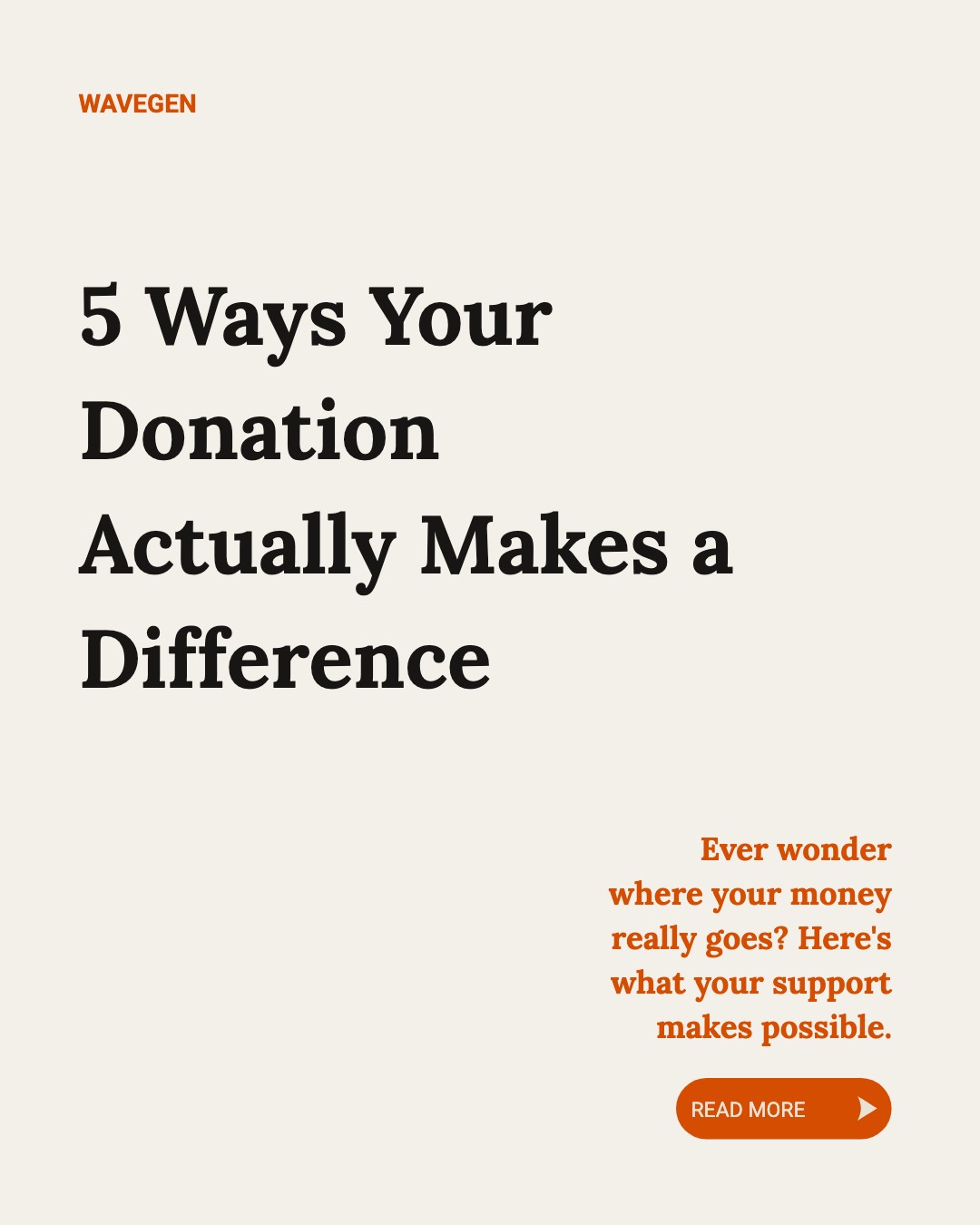
Show donors exactly what their money does. Concrete examples ($25 = a week of meals) make giving feel tangible and urgent.
"What your $50 donation actually does — here's a breakdown of every dollar"
Behind the Scenes
Show your team in action — packing food boxes, building homes, running programs. Authenticity builds trust and makes supporters feel connected to the work.
"5 AM start today — our volunteers are packing 500 meal kits for families in need this weekend"
Volunteer Spotlights
Celebrate your volunteers publicly. Recognition motivates current volunteers and inspires new ones to sign up.
"Meet James — he's volunteered 200+ hours this year teaching computer skills to seniors. Thank you, James!"
Transparency Posts
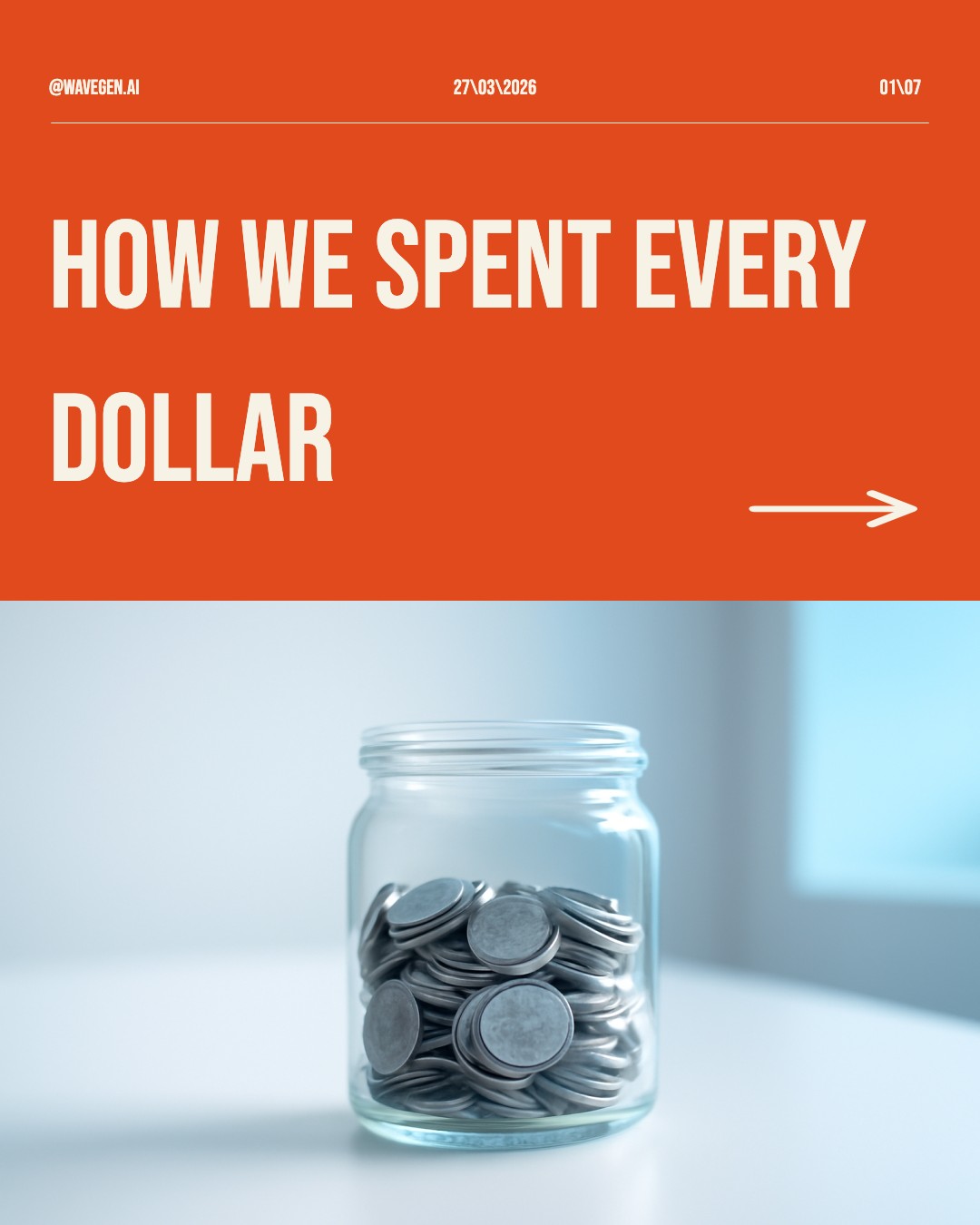
Share financial breakdowns, annual reports, and impact metrics. Donors give more to organizations they trust with their money.
"How we spent every dollar last year — 82% went directly to programs"
Awareness Day Content
Tie your mission to national awareness days and months. Gives your content a timely hook and connects to broader conversations.
"It's Mental Health Awareness Month — here's what we're doing to expand access to counseling in underserved communities"
Calls to Action
Don't just inform — ask. Every week should include a clear ask: donate, volunteer, share, sign a petition, attend an event.
"We need 50 volunteers this Saturday for our community cleanup. Sign up at the link in bio — it takes 2 minutes"
Thank You Posts
Publicly thank donors, sponsors, and partners. Gratitude encourages repeat giving and shows potential donors that contributions are valued.
"Thank you to everyone who donated during Giving Tuesday — you raised $12,000 in 24 hours!"
Myth vs Reality
Address misconceptions about the issue your nonprofit tackles. Education drives empathy and support.
"MYTH: Homelessness is a choice. REALITY: 44% of people experiencing homelessness are employed."
Event Promotion
Promote fundraising events, galas, walks, and community gatherings. Social media drives event attendance more effectively than email for many nonprofits.
"Join us for our annual 5K Walk for Education — registration is free, and every step raises awareness"
Turn any article into nonprofits carousel posts
Try WaveGen FreeWhich Platforms Work Best for Nonprofits?
Facebook is the #1 platform for nonprofit fundraising. Its built-in fundraising tools, large user base (especially 35+), and sharing features make it the most impactful channel for donations and awareness.
Best for:
Fundraising campaigns, impact stories, event promotion, community building, donor recognition, Facebook Fundraisers, Giving Tuesday campaigns
Pro tip: Use Facebook's built-in fundraiser feature for campaigns — it allows direct donations without leaving the platform, which dramatically increases conversion. Nonprofits using Facebook Fundraisers see 3-5x more donations than those linking to external pages.
Instagram is where nonprofits tell visual stories. Impact photos, beneficiary stories, and behind-the-scenes content build emotional connections that drive sustained support.
Best for:
Impact photography, Stories for real-time updates, carousel infographics, Reels for mission awareness, volunteer spotlights, donation sticker in Stories
Pro tip: Use Instagram's donation sticker in Stories — followers can donate directly without leaving the app. Pair it with a compelling photo or short video of your work in action for maximum impact.
LinkedIn connects nonprofits with corporate sponsors, board candidates, skilled volunteers, and major donors. It's where professional philanthropy decisions happen.
Best for:
Annual reports, impact data, corporate partnership announcements, thought leadership on your cause, professional volunteer recruitment, grant success stories
Pro tip: Post carousel summaries of your annual impact report on LinkedIn. Corporate CSR managers and foundation officers actively browse LinkedIn for nonprofits to support. One well-placed post can lead to a five-figure corporate partnership.
TikTok
TikTok is how nonprofits reach younger supporters (18-35) who will become the next generation of donors. Mission-driven content regularly goes viral here, and awareness campaigns can explode overnight.
Best for:
Mission awareness videos, day-in-the-life of your work, beneficiary stories (with consent), behind-the-scenes, trending audio with mission messaging
Pro tip: Film authentic, unpolished content showing your work in action. A 30-second video of volunteers sorting food donations or a before/after of a community project can reach millions. TikTok audiences reward authenticity over production quality.
YouTube
YouTube is where nonprofits host their most impactful long-form content — documentary-style impact videos, founder stories, and beneficiary testimonials that drive major donations.
Best for:
Impact documentaries, beneficiary testimonials, annual review videos, how-to-help guides, event recordings, founder/mission origin stories
Pro tip: Create a 3-5 minute 'Year in Review' video annually showing your organization's impact with real footage and beneficiary stories. These videos are your most powerful fundraising asset — share them in grant applications, donor meetings, and email campaigns.
Content Strategy for Nonprofits
The most effective nonprofit social media follows a storytelling framework: 40% impact stories (showing beneficiaries and outcomes), 25% educational content (raising awareness about your cause), 20% calls to action (donate, volunteer, share), and 15% gratitude and transparency (thanking donors, sharing financials). Carousel posts are ideal for nonprofits because they let you tell a complete story in a swipeable format — impact breakdowns, step-by-step guides for getting involved, or before-and-after community transformations. The key is making supporters feel like partners in your mission, not just ATMs.
How Often Should Nonprofits Post?
Nonprofits should post 4-5 times per week on their primary platform. Facebook: 4-5 posts per week + Events for fundraisers. Instagram: 4-5 feed posts + daily Stories during campaigns. LinkedIn: 2-3 posts per week (corporate-focused). TikTok: 2-3 videos per week (if targeting younger supporters). During fundraising campaigns (Giving Tuesday, year-end giving), increase to daily posting. Batch your content monthly — document your programs and events as they happen, then schedule posts throughout the month. Tools like WaveGen can turn a single impact report or story into multiple carousel posts in seconds.