Social Media for Healthcare
Social Media for Healthcare
80% of patients use the internet to research health topics, and social media is increasingly where they find and evaluate healthcare providers. A strong social presence builds patient trust, improves health literacy, and positions your practice as a credible source of medical information.
80%
of patients research health topics online
70%
of healthcare organizations use social media
3x
more engagement with educational carousel posts
Quick Answer
Best platforms: Facebook, Instagram, LinkedIn
Top post types: Health Tips & Prevention, Symptom Awareness, Procedure Explainers
Pick a free template below or generate your own carousel from any blog post in seconds.
Ready-to-Use Templates for Healthcare
Pick a template, customize with your content, and post. Each template comes with healthcare-specific content to get you started.

Generate custom healthcare content with AI
Paste your website URL and WaveGen creates carousel posts tailored to your healthcare.
Healthcare Social Media Post Ideas
Proven content formats that attract followers and build trust
Health Tips & Prevention
Package evidence-based health advice into easy-to-understand carousels. Prevention content gets saved and shared because it's genuinely useful to patients.
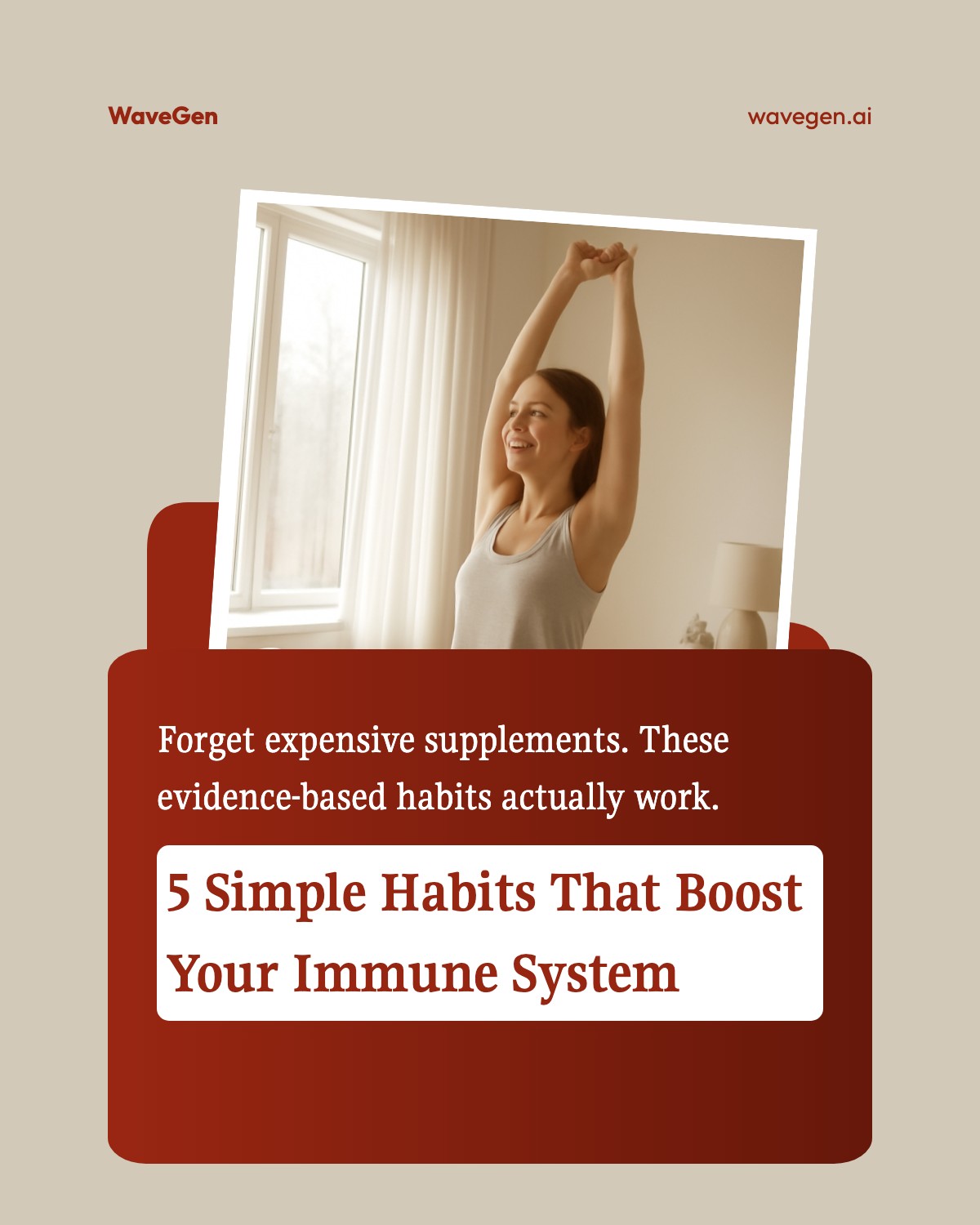
"5 simple habits that boost your immune system — backed by research, not supplements"
Symptom Awareness
Help patients recognize warning signs that need medical attention. These posts can literally save lives while positioning you as a trusted authority.
"5 warning signs you shouldn't ignore — when to call your doctor"
Procedure Explainers
Demystify common procedures with step-by-step guides. Reduces patient anxiety and increases appointment follow-through.
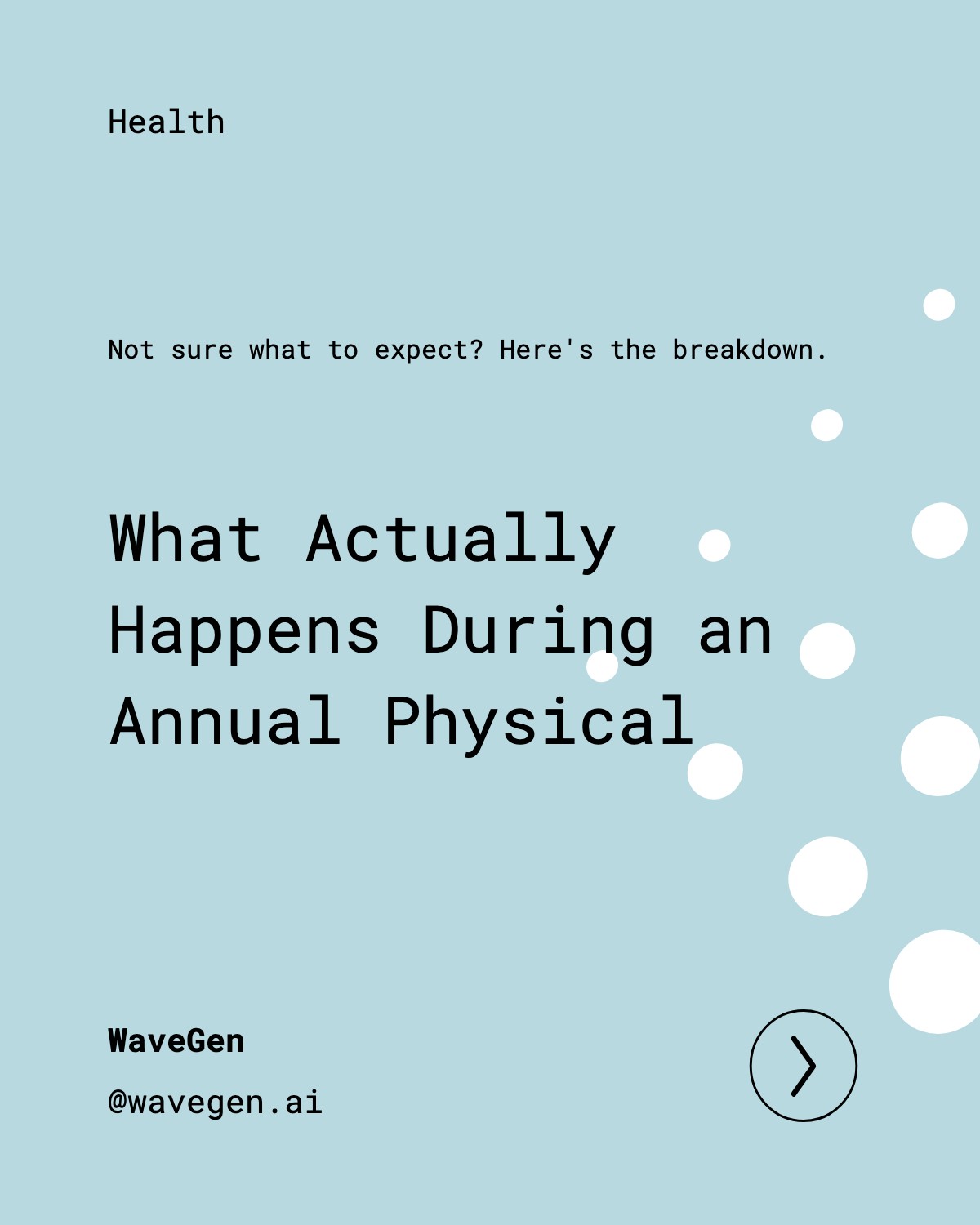
"What actually happens during an annual physical — step by step"
Myth vs Fact
Combat medical misinformation with clear, factual corrections. These posts drive high engagement because people share them to educate others.
"MYTH: You need antibiotics for a cold. FACT: Colds are viral — antibiotics only work on bacteria."
Meet Your Provider
Introduce your doctors, nurses, and staff. Patients feel more comfortable when they know their care team before the appointment.
"Meet Dr. Patel — board-certified in internal medicine, marathon runner, and dog parent"
Seasonal Health Guides
Tie health tips to seasons and events — flu season prep, summer hydration, allergy season, back-to-school physicals.
"Flu season is here — 5 things you can do right now to protect your family"
Patient Success Stories
Share recovery journeys and positive outcomes (with consent). Patient stories inspire others to seek care and build trust in your practice.
"After 3 months of physical therapy, Maria is back to running marathons. Here's her journey."
Navigate the System
Explain confusing healthcare topics — insurance, billing, when to see a specialist, urgent care vs ER. Patients are grateful for this practical guidance.
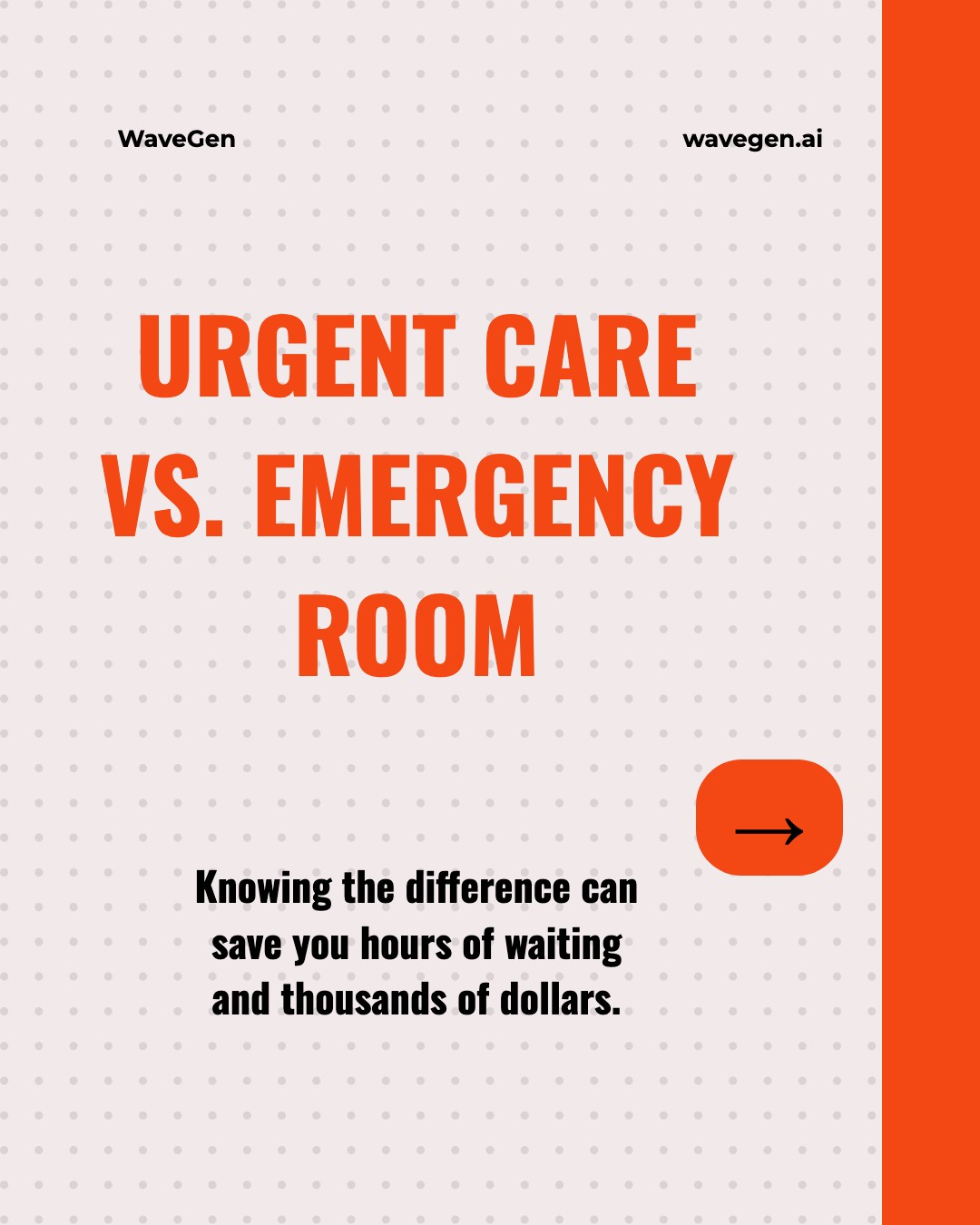
"Urgent care or emergency room? Here's how to decide (and save thousands)"
Wellness Challenges
Launch weekly or monthly wellness challenges — hydration tracking, steps challenges, meditation streaks. Builds community and keeps patients engaged.
"Join our 30-day walking challenge — just 20 minutes a day. Tag us in your walking photos!"
Health Observance Days
Tie content to national health observances — Heart Health Month, Mental Health Awareness Week, Diabetes Awareness Month. Provides natural content hooks throughout the year.
"It's Heart Health Month — here are 5 numbers every adult should know about their cardiovascular health"
Turn any article into healthcare carousel posts
Try WaveGen FreeWhich Platforms Work Best for Healthcare?
Facebook is the most-used social platform for healthcare organizations. It reaches the broadest patient demographic (35-65+) and is where most patients check reviews and find provider information.
Best for:
Patient education carousels, health tips, community engagement, event promotion (health fairs, flu clinics), reviews management, practice updates
Pro tip: Facebook Groups are powerful for healthcare — create a patient community group for wellness tips and Q&A. Practices with active groups see significantly higher patient retention and referrals.
Instagram is ideal for humanizing your practice and reaching younger patients (25-44). Visual health education content performs exceptionally well here.
Best for:
Health tip carousels, Reels with quick medical facts, team introductions, behind-the-scenes of your facility, patient testimonials (with consent), infographics
Pro tip: Health education Reels consistently go viral on Instagram. A 30-second video explaining a common health misconception can reach tens of thousands of people. Keep the language simple — no medical jargon.
LinkedIn is essential for healthcare professionals who want to network, recruit, and establish thought leadership in their specialty.
Best for:
Medical research insights, industry commentary, recruiting physicians and nurses, professional development content, practice growth stories
Pro tip: Share carousel posts summarizing new research findings in plain language. Healthcare professionals who translate complex studies into accessible insights build massive followings on LinkedIn.
YouTube
YouTube is where patients go for in-depth health education. Medical explainer videos rank in Google search and have extremely long shelf life — a good video can generate patient inquiries for years.
Best for:
Procedure explainers, condition education series, doctor Q&A, facility tours, patient testimonials, wellness tips
Pro tip: Create a series answering the top 20 health questions your patients ask. These 5-10 minute videos rank in Google search results and establish you as the go-to authority in your area.
TikTok
Healthcare TikTok ('MedTok') is one of the fastest-growing niches. Doctors and nurses who share quick health facts in accessible language build massive audiences and drive real patient inquiries.
Best for:
Quick health facts, myth-busting, day-in-the-life of a healthcare worker, procedure demystification, answering common patient questions
Pro tip: The most successful healthcare TikToks are doctors speaking directly to camera in plain language. Avoid medical jargon, keep videos under 60 seconds, and address one specific question per video.
Content Strategy for Healthcare Providers
The most effective healthcare social media follows the 80/20 rule: 80% patient education and health awareness content, 20% practice-related content (team introductions, facility updates, service announcements). Carousel posts are ideal for healthcare because they let you break down complex medical topics into digestible, visual slides that patients actually read and save. Focus on the questions patients ask most frequently — if they're asking in your office, thousands more are searching online.
How Often Should Healthcare Providers Post?
Consistency builds trust in healthcare social media. For most practices: Facebook: 3-4 posts per week. Instagram: 3-4 feed posts + daily Stories with health tips. LinkedIn: 2-3 posts per week (for professional networking). TikTok: 2-3 videos per week (if targeting younger patients). Batch your content — dedicate one session per month to creating carousel posts and scheduling them. Tools like WaveGen can turn a health article or patient FAQ into multiple carousel posts in seconds, making HIPAA-compliant content creation efficient for busy practices.
Measuring Impact
Track metrics that matter for healthcare: new patient inquiries mentioning social media, website traffic from social profiles, appointment bookings from social referrals, content saves (indicates high-value educational content), and community growth rate. Saves are the most important metric for healthcare carousels — when a patient saves your health tip post, they're telling you the content was genuinely valuable. The algorithm rewards saves heavily, which means your educational content reaches more people organically over time.